
Despite the political backlash and uncertainty for the macroeconomy brought upon by their plan, the Biden Administration remains steadfast in its argument that it is a vital step for Americans in the ultimate goal of solving the student debt crisis. Moreover, they believe it to be an efficient and sustainable solution — they maintain that because of the high default rates for student loans, the actual cost of the debt forgiveness plan will be lower than the theoretical expectation; however, the specifics of that value have proven to be difficult to calculate. Continue Reading

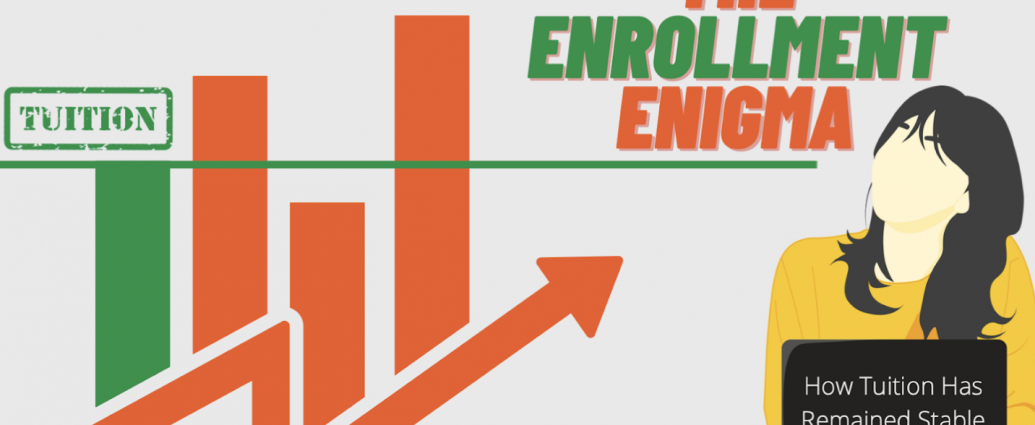
Downward trends in enrollment have had a ripple effect at institutions across the country. As decreases in enrollment continue, schools are feeling pressure to keep tuition affordable. Although inflation has pushed up the prices of most goods and services, the necessity for more students has incentivized institutions to keep tuition prices relatively low. Continue Reading

The cost of education has increased by over 100% in the last 20 years—a much higher rate compared to most other industries. This increase in the cost of education is paralleled by the increasingly widespread mentality that you need a college education in order to earn a good living. While this may generally be true across many industries, a college education does not reap the same value for every individual.Continue Reading

The online education industry is expected to experience rapid growth during the COVID-19 pandemic since the majority of schools are closed. The leading online education companies such as Chegg, Coursera, and Udacity may have promising long-term growth due to the COVID-19 lockdown, but they may not be optimal investments as of now. Continue Reading

Millions of Americans lost their jobs due to the COVID-19 pandemic, but one key demographic may remain home even after the quarantine ends: women. Since the start of the pandemic, women have been leaving at a rate 4 times greater than their male counterparts. According to the U.S Bureau of Labor Statistics, 617,000 women left the workforce in September 2020, compared to 78,000 men. This great disparity isn’t just a consequence of gender inequality in the workplace. It’s a result of the forced division of labor between men and women in nuclear families, pressuring women with children and other family obligations to prioritize the needs of others over their own professional fulfillment.Continue Reading